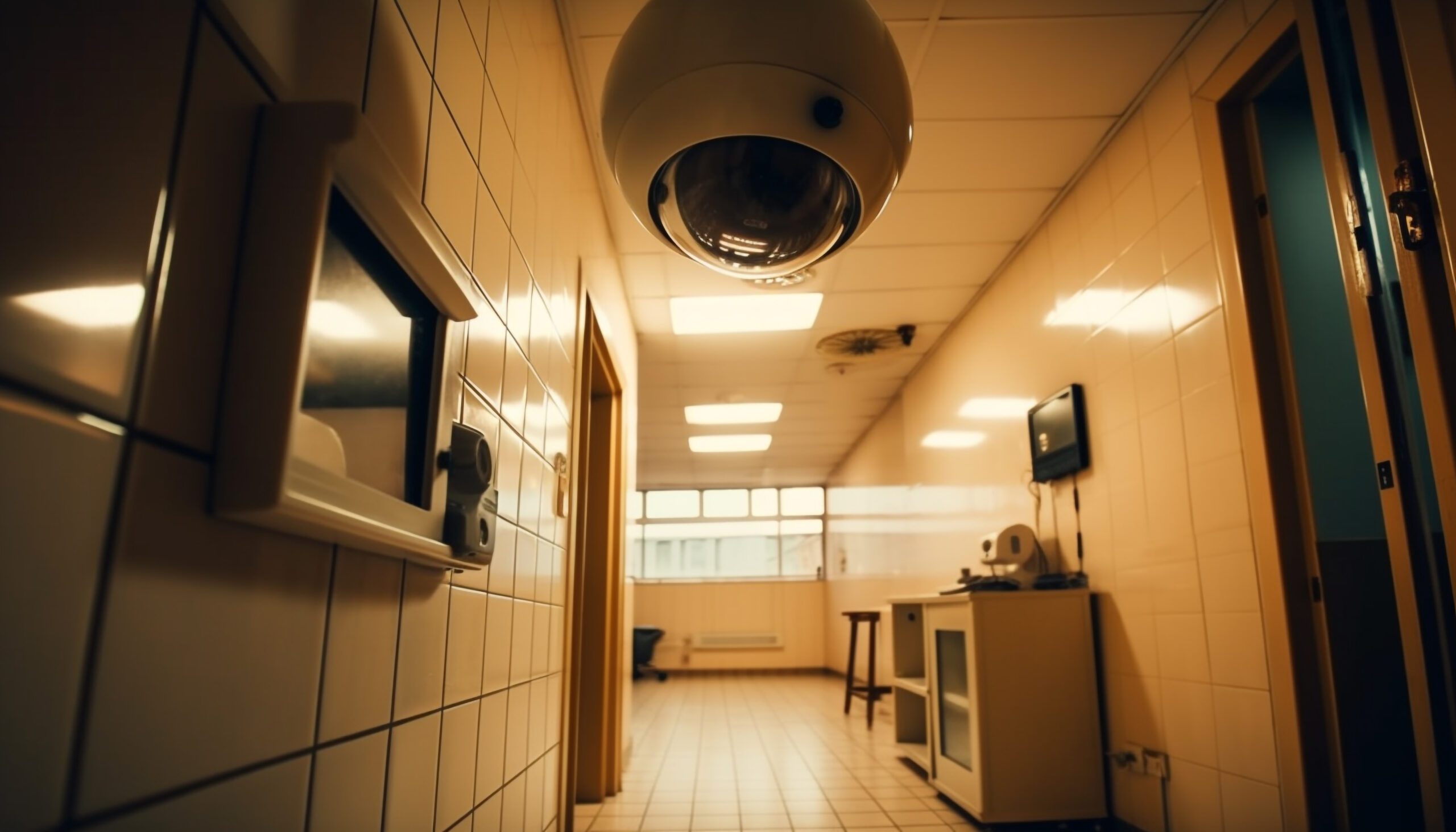
 CCTV in schools has become more common, helping to improve security and keep students safe. But if you’ve ever wondered who can access the footage, how long schools keep recordings, or whether you can request to see it, you’re not alone. Here’s a breakdown of what you need to know about school CCTV systems in the UK.
Yes, but it’s not always straightforward. Schools have strict policies about who can view CCTV footage. If you want to see footage involving your child, you need to submit a formal request. However, schools must also protect the privacy of other students, which means they may decline your request if other children are visible in the footage.
If a school refuses access, parents can ask whether specific footage can be edited or blurred to remove other children from the video. This may not always be possible due to technical or cost-related reasons, but it’s worth discussing options with the school.
Schools can show CCTV footage to parents, but only under certain circumstances. If the footage is about your child and does not include other students, they might grant access. If other students are in the video, the school may refuse to share it to protect their privacy.
In situations where there is a serious incident, such as bullying or a safety concern, schools may use CCTV footage internally to investigate. If action needs to be taken, the school may provide a summary of the findings to parents without sharing the actual video.
Most schools store CCTV footage for around 30 days. However, if there’s an ongoing investigation, such as a security issue or a dispute, they may keep it for longer. After this period, the footage is usually deleted.
The retention period may vary based on school policy, and parents concerned about how long footage is kept should ask the school for clarification. If an incident occurs and parents wish to access footage, it’s best to make a request as soon as possible before the footage is deleted.
No, schools should not install CCTV in private areas like toilets or changing rooms. Cameras are typically placed in public areas such as corridors, entrances, and playgrounds to monitor general safety.
If parents ever become aware of CCTV being used in inappropriate locations, they should raise concerns with the school and, if necessary, escalate the matter to the relevant authorities.
CCTV cameras are generally found in places where security risks are higher, such as:
Cameras are placed in these locations to help prevent vandalism, ensure student safety, and monitor for any security threats. Some schools may also use CCTV in classrooms to monitor teacher-student interactions, but this is less common and should be clearly communicated to parents and staff.
Access to CCTV footage is usually restricted to senior staff members or the school’s designated security personnel. If a parent, student, or staff member requests access, the school will decide based on privacy considerations and the specific reason for the request.
In certain cases, law enforcement may request access to school CCTV footage if it relates to an investigation. Schools will only provide footage if legally required to do so.
While CCTV is widely used in schools, it does come with both advantages and disadvantages.
Parents should be aware of both the positives and negatives of school CCTV and discuss any concerns with their school’s administration.
If you’re unsure about how your child’s school uses CCTV, you can:
CCTV in schools can help improve security, but it’s important to balance safety with privacy. Schools must have clear policies in place to ensure CCTV is used responsibly. If you ever have concerns about how your child’s school uses CCTV, don’t hesitate to ask for clarity.
Parents play a key role in ensuring their children’s privacy is respected. Understanding how these systems work and asking the right questions can help ensure that CCTV is being used in a way that benefits everyone while respecting personal privacy. If necessary, parents can also seek further guidance from educational authorities or data protection organisations.
By staying informed and engaged, parents and schools can work together to create a safe and supportive learning environment for all students.
 24 Hour Control Room
 Safety Approved
 Instant Client Reporting
 Security Guard Tracking