
How Much Does a Security Guard Cost in the UK in 2026?
If you’re considering hiring a security guard for your business, one of the first questions you’ll probably ask is: how much does a security guard cost in the UK? In 20...
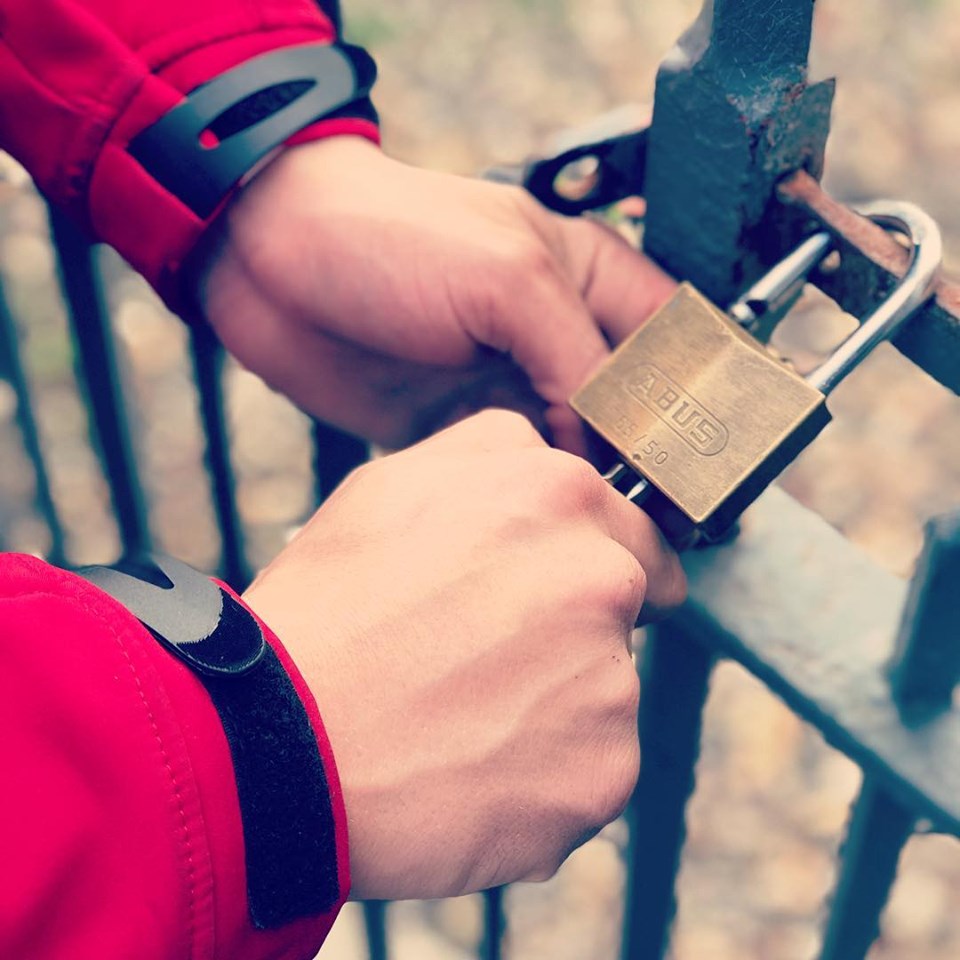
Opening and closing services help businesses manage the daily task of unlocking premises and securing them at night. If that job currently falls to you, a manager or the last employee to leave, you will know there is often more to it than turning a key.
Someone needs to check the doors, deal with the alarm and know what to do if something is wrong. But when the usual keyholder is away or a delivery runs late, the routine can become less clear.
At G&A Security, we help businesses across the North East put practical arrangements in place for the start and end of each day.
Security personnel attend your premises at agreed times and follow a routine based on your building and working hours.
Depending on your requirements, their tasks can include:
An office, warehouse and shared commercial building will each need a different approach. That is why the checks should reflect how people use your premises.
You can find out more about the options on our service page.
The end of the day can be a rush. Staff are finishing work, cleaners may be arriving and someone is waiting for a final delivery.
In that moment, it is easy to assume a colleague has checked a side entrance or closed a window.
For example, a manager might ask someone to lock up while the regular keyholder is on holiday. That colleague secures the main entrance but does not realise the rear door needs a separate check.
A written closing routine helps prevent this confusion. It explains which areas need checking and what to do if they cannot be secured.
Opening a building needs a clear process too.
An agreed visit may include looking for visible damage, unlocking the required entrances and deactivating the alarm.
Before the service begins, discuss when your staff arrive and which areas they need to access. Some doors may need opening early, while others should remain locked.
You should also agree who to contact if the officer finds damage or signs of a break-in. Having those details ready helps avoid uncertainty when a problem occurs.
A closing checklist should account for the way your business works.
For instance, a warehouse may receive late deliveries. An office might have cleaners working after staff leave. Both need clear arrangements for access and locking up.
It is also worth planning for faults. If a door will not lock or an alarm will not set, who can authorise the next step?
Professional opening and closing services work best when these questions are answered in advance. The person attending then has a clear procedure to follow.
Being the first to arrive or the last to leave adds responsibility to an employee’s day. It can also mean spending time alone in the building.
A professional service can reduce the need for employees to carry out these tasks. It also reduces reliance on one person holding the keys and knowing the routine.
If your staff work alone, the Health and Safety Executive’s lone-working guidance provides useful information on managing the risks.
Your team will still need to communicate changes. Letting your provider know about late working, visitors or revised hours helps keep the arrangements running smoothly.
Opening and closing services involve scheduled attendance. An officer visits at an agreed time to unlock or secure the premises.
Keyholding and alarm response cover a different situation. They provide arrangements for attendance when an alarm activates or a relevant incident occurs.
The two can work together. You might have an evening lock-up visit and a separate response service if the alarm goes off overnight.
A closing visit does not mean an officer stays on site until morning. If you need further protection, discuss whether patrols, monitoring or guarding would suit your premises.
Our keyholding and alarm response guide explains more.
A short planning discussion can make the service easier to manage. Work through these points with your provider:
Review the procedure when your business changes. New working hours or an extra entrance may mean the checklist needs updating.
Based in Darlington, G&A Security provides opening and closing services across the North East, supported by our 24/7 in-house Control Room.
We work with you to understand your premises, access needs and daily routine. From there, we can agree an approach that suits your business.
If locking up has become another job to juggle, contact our team or call 01325 464340 to discuss your requirements.
If you’re considering hiring a security guard for your business, one of the first questions you’ll probably ask is: how much does a security guard cost in the UK? In 20...
Commercial Security Services: What Does Your Business Actually Need? Commercial security services can protect businesses in very different ways, from manned guarding and mobile pat...

CCTV Monitoring Services: Is Someone Actually Watching Your Business? CCTV monitoring services can turn your cameras from a system that simply records an incident into an active pa...
 24 Hour Control Room
 Safety Approved
 Instant Client Reporting
 Security Guard Tracking
