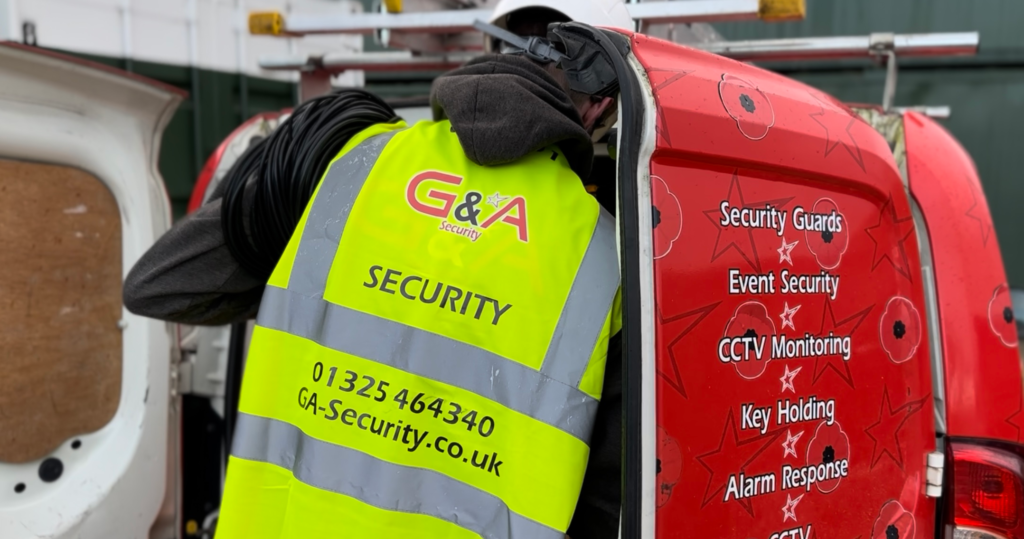
Security guards play an indispensable role in the safeguarding of people, property, and public space. From deterring criminal activities to responding during emergencies, they must be prepared to respond in various situations. But being a security guard is all about more than just standing watch-it is about equipping oneself with the right tools in order to tackle challenges efficiently yet responsibly.
Whether controlling crowds at an event, patrolling a corporate building, or guarding a construction site, the right equipment can make a whole lot of difference. This guide will examine seven must-have items for security guard work to ensure a safe and prepared environment in every situation.
A security guard’s uniform does more than just identify them—it commands respect and establishes authority. The moment a person sees someone in uniform, they associate it with safety and vigilance. This visible deterrent alone can prevent many potential threats or criminal activities.
A practical uniform isn’t just about looking professional; it needs to be functional too. Most uniforms are designed with pockets to hold small items like notepads, pens, or communication devices. Reflective or high-visibility elements are often included for guards working outdoors, especially at night.
In environments like hotels or corporate offices, uniforms may take a more polished and formal appearance, blending into the setting while still being recognizable. The uniform is not just clothing—it’s a statement of readiness and professionalism.
Security work relies heavily on communication. Whether it’s alerting a colleague about a suspicious individual, reporting an incident, or calling for backup, being able to communicate quickly and clearly is essential.
Two-way radios are perhaps the most common tools, especially in areas with limited cell reception. They offer instant communication, which is crucial in high-pressure situations. Discreet earpieces can also be used, allowing guards to stay connected without drawing attention.
For larger security teams, modern communication apps on mobile phones can enhance coordination with GPS tracking or incident reporting features. No matter the platform, staying connected ensures everyone is on the same page, which can prevent minor issues from escalating into larger problems.
Surveillance tools are the silent yet potent allies of any safety officer: a system of CCTV cameras, motion detectors, and alarm systems extend the reach of guards and provide them with real-time information.
The mere presence of cameras themselves can stop thieves, change vandals’ directions, or prevent other crimes from happening. That feeds the morale of police officers—a surveillance camera that can provide footage of the past can let them monitor multiple locations simultaneously, identify the highest risk, and respond to most situations before something bad actually happens.
In outdoor or expansive areas, handheld equipment like binoculars or even night vision gear can assist a precious deal. Not only does surveillance equipment make the job easier for a guard, but it also accomplishes the perfect job, ruling out the possibility of anything ever going unnoticed.
Although they are not law enforcement officers, security guards may encounter situations where they are called upon to protect themselves or someone else. Guards who work in a high-risk environment often carry less-lethal defensive tools like batons, pepper spray, or handcuffs.
For generals serving under extreme conditions, protective clothing like stab-proof or bullet-resistant vests serves to provide one extra measure of protection. These things are not about aggression; rather, they are meant to ensure the safety of the wearer if the environmental conditions take a dangerous turn.
That said, the use of any defensive equipment comes with responsibility. Guards must be trained to use these tools ethically and within the bounds of the law. After all, the goal is always to de-escalate, not to provoke or harm.
A security guard is often the first responder when an accident happens, whether it’s a slip-and-fall injury, a medical emergency, or even a natural disaster. Having a first aid kit on hand is not just useful—it’s a necessity.
Basic supplies like bandages, antiseptic wipes, and gloves are essential for treating minor injuries. For more serious incidents, tools like CPR masks or tourniquets can mean the difference between life and death.
Of course, having the kit is only half the equation. Proper first-aid training is equally important. Guards with first aid knowledge can provide immediate assistance while waiting for professional medical help to arrive. This dual preparedness highlights the guard’s role in overall public safety.
The humble flashlight might just be one of the easiest items to overlook, but for a security officer, they are of immense functionality. The flashlight should have sufficient power for patrolling dark areas, exploring dark corners, and searching during emergencies or blackouts. To get more bang for the buck in terms of torchlight production on electricity, nowadays flashlights come with additional specifications and details like adjustable beams, strobe settings, and waterproof finishes. They are designed to be tough and withstand rough conditions.
In cases where a flashlight is used for self-defense, the bright light can disturb an intruder’s vision and temporarily blind them, allowing the guard a few seconds to act. It is a little tool that weighs heavily on the little daily work of security.
Managing access to restricted areas is a core part of many security roles. Whether it’s a corporate office, a data center, or a private event, security guards rely on access control systems to maintain order and prevent unauthorized entry.
Keycards, biometric scanners, and electronic locks are just a few of the tools used to regulate access. These systems don’t just enhance security—they also make the job more efficient by automating what would otherwise be manual processes.
In cases of suspicious activity, access control logs can provide valuable information about who entered a specific area and when. Combined with surveillance tools, they create a robust security framework that guards can rely on.
Despite the fact that every piece of equipment discussed here has its specific function, they together form a toolkit necessary for security guards to do their work with confidence and competence. Since the modern security professional is more about prevention than post-response, the tools used must match these two functions.
It is only fair to acknowledge that security is evolving. Newer technologies such as AI surveillance systems, drones, and wearables are beginning to pull together how guards do their work. Being abreast of these technologies will give security professionals an upper hand, enabling precise protection in a dynamic world.
A security officer must wear many hats-not just to appear. What he wears will greatly establish authority be it a uniform; or a medical kit, which could be the difference between life and death this equipment is necessary for a guard to do his best in protection and service to the community.
For the business or client looking for security, make sure that the guards you’re hiring are skilled and also equipped. After all, security means preparation, and preparations start with the right tools at hand.
In the end, a well-equipped officer would be quite confident to be capable of which confidence itself is what breeds peace of mind.
 24 Hour Control Room
 Safety Approved
 Instant Client Reporting
 Security Guard Tracking