
How Much Does a Security Guard Cost in the UK in 2026?
If you’re considering hiring a security guard for your business, one of the first questions you’ll probably ask is: how much does a security guard cost in the UK? In 20...
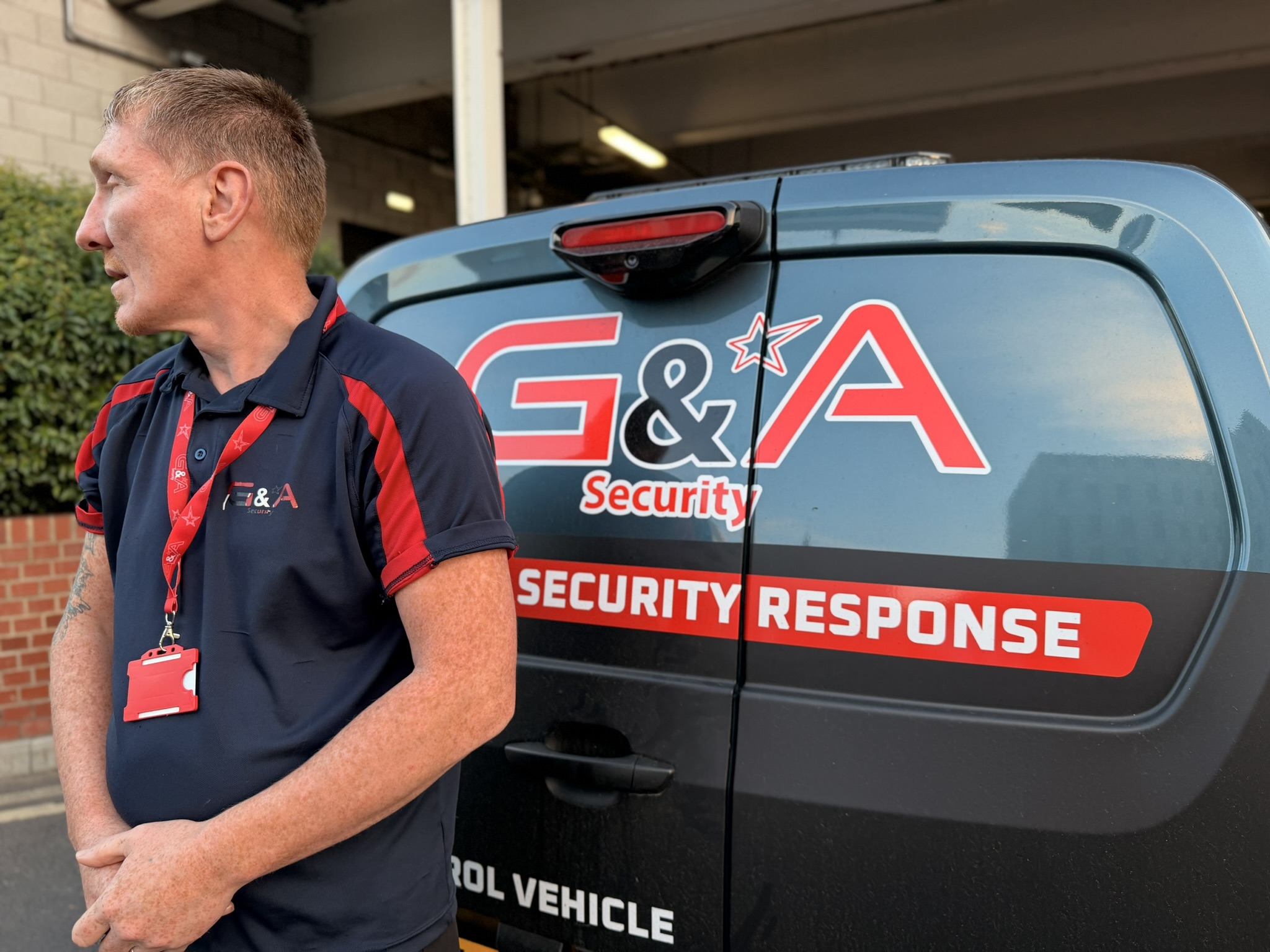
Keyholding and Alarm Response Services | G&A Security
Should Your Employees Be Responding to Business Alarms?
Professional keyholding and alarm response services give businesses a safer alternative to asking employees to attend out-of-hours alarm activations alone.
An intruder alarm activates at 2:30am.
Who gets the call?
For many UK businesses, a director, facilities manager, site manager or another employee still acts as the company keyholder.
They get out of bed, drive to the premises and arrive without knowing why the alarm has activated or what they could find when they get there.
It might be a false alarm. It could be a fault. However, it could also be a genuine security incident.
That raises an important question for employers: should responding to an out-of-hours alarm really be an employee’s responsibility?
Professional keyholding and alarm response services offer businesses an alternative. Instead of relying on employees to attend potentially unpredictable situations alone, a trained security professional can respond on the organisation’s behalf.
What Is a Nominated Keyholder?
A nominated keyholder is someone authorised to access business premises and respond when an alarm or security incident occurs.
Traditionally, businesses have often nominated members of staff because they live nearby or hold a senior position.
That arrangement may appear straightforward until the alarm actually activates.
Being a keyholder can mean receiving calls during the night, at weekends or on bank holidays. The individual may then need to travel to an empty commercial property, investigate the activation and decide what action to take.
This responsibility involves much more than simply holding a spare set of keys.
The Hidden Risk of Asking Employees to Respond to Alarms
Consider what you are actually asking an employee to do.
They may arrive at dark or isolated premises following an intruder alarm without knowing what triggered it. A technical fault or unsecured door could be responsible. However, vandalism, attempted theft or an intruder still on site could also have caused the activation.
In many cases, that employee will attend alone.
The Health and Safety Executive defines lone workers as people who work by themselves without close or direct supervision. Employers have a responsibility to manage health and safety risks before people work alone.
For businesses, this makes alarm response more than an inconvenience on the rota. Employers should consider it as part of their wider risk management and security arrangements.
Five Reasons to Reconsider Employee Alarm Response
1. Personal Safety
The most obvious concern is employee safety.
An alarm activates because something may be wrong. Asking an employee to investigate could place them directly into the situation that the security system detected.
A professional security officer can assess the circumstances on arrival, follow established response procedures and escalate the incident when necessary.
Your finance manager, operations manager or site supervisor was probably not employed to investigate potential intruders at 3am.
2. Lone Working
Out-of-hours alarm response frequently requires someone to travel to and attend a site alone.
The Health and Safety Executive highlights the additional risks that lone workers can face when nobody is immediately available to help.
Employers should therefore consider the risks involved, communication arrangements, the level of supervision required and what should happen during an emergency.
Using a professional keyholding and alarm response service can remove this responsibility from employees. Instead, trained security personnel can manage the attendance through established procedures.
3. Availability Is Never Guaranteed
Your nominated keyholder may be on holiday, unwell or away from the area when an alarm activates.
They may have consumed alcohol and cannot drive. Their phone could be switched off. They may simply sleep through a call at 2am.
Businesses need security arrangements that work 24 hours a day, 365 days a year. Individual employees cannot guarantee that level of availability.
Relying on one or two members of staff therefore creates a potential weakness in an otherwise carefully planned security strategy.
Professional keyholding gives businesses a structured response arrangement that does not rely on one particular employee being available.
4. Alarm Response Requires Decisions
Arriving at the premises is only the beginning.
The person attending may need to establish why the alarm activated, inspect the building, identify signs of forced entry and decide whether further action is necessary.
What happens if they find signs of forced entry?
What should they do if somebody is still inside?
Who should they contact if the premises have suffered significant damage?
How do they respond if they cannot secure the building?
Making those decisions becomes much harder when an employee is standing outside their workplace alone in the middle of the night.
Professional alarm response provides a defined process for investigating, escalating and reporting security incidents.
5. The Disruption Does Not End When the Alarm Stops
There is also a practical cost to the business.
An employee called out at 2am may spend several hours dealing with an incident before returning home. They may then be expected to attend work the following morning.
Even a false activation can disrupt sleep, affect the employee’s working day and take valuable management time away from the business.
Recurring activations can make the problem even greater.
Outsourcing keyholding allows businesses to maintain an emergency response capability without routinely placing that burden on their own employees.
What Does a Professional Keyholding and Alarm Response Service Do?
With professional keyholding, an authorised security provider securely holds the keys or access information for your premises and responds when required.
When an alarm activates, the security team can dispatch a trained officer to investigate.
Depending on the agreed service and circumstances, the officer can attend the premises, conduct security checks and look for signs of damage or forced entry.
They can also investigate the cause of an activation, complete internal checks where appropriate and liaise with emergency services or nominated contacts when necessary.
Following an incident, the security provider can help secure the premises and provide a record of the attendance and actions taken.
The objective is simple: your organisation has access to a professional response without asking an employee to place themselves in an unnecessary or unpredictable situation.
Keyholding Is About More Than Holding Keys
One of the biggest misconceptions about commercial keyholding is that businesses simply pay someone to store a set of keys.
The real value comes from the response infrastructure behind those keys.
A strong keyholding service should give your business clear answers about who will respond, how the response begins, what happens when the officer arrives and how they will escalate an incident.
For this reason, businesses should consider keyholding as part of a wider security strategy rather than an isolated service.
Combining professional keyholding with alarm monitoring, CCTV monitoring, mobile security patrols and opening and closing services can create a much stronger out-of-hours security arrangement.
Which Businesses Benefit From Professional Keyholding?
Professional commercial keyholding services can support almost any organisation with premises that require an out-of-hours response.
Offices, warehouses, industrial facilities, schools, colleges, retail premises, construction sites, commercial estates, public-sector buildings and vacant properties can all benefit from professional keyholding.
The service can prove particularly valuable for organisations that operate across multiple locations.
Instead of maintaining separate employee keyholder arrangements for every site, businesses can establish a consistent security response procedure across their property portfolio.
Keyholding and Alarm Response in the North East
Businesses across Teesside, Middlesbrough, Stockton-on-Tees, Darlington, County Durham, Sunderland, Newcastle and the wider North East need reliable security arrangements that continue after employees leave for the day.
G&A Security provides professional keyholding and alarm response services across the North East, supported by our 24/7 in-house Control Room.
Our team operates 24 hours a day, 365 days a year, giving businesses a professional point of contact when an alarm or security incident occurs.
We can also integrate keyholding with CCTV monitoring, mobile security patrols, manned guarding, access control, vacant property security and opening and closing services.
This allows us to build a security solution around the risks and operational requirements of each individual site.
Should You Remove Employees From Your Keyholder List?
Not necessarily.
Some organisations may still want senior employees, managers or directors to form part of their escalation procedure.
The important question is who needs to physically attend the premises first.
Your security provider can inform the appropriate manager about a serious incident without asking that person to arrive alone and investigate it.
Professional keyholding can therefore create an additional layer between an alarm activation and the involvement of your employees.
Your people remain informed when necessary without automatically becoming the first line of security response.
Review Your Out-of-Hours Security Before the Next Alarm
The best time to review your alarm response procedure is not at 2:30am when the alarm is already sounding.
Consider who currently receives the call and whether you expect that person to attend alone.
Has your business assessed the risks involved? What happens when your nominated keyholder cannot respond?
Most importantly, ask yourself one question:
Are you comfortable asking an employee to investigate an unknown security incident on behalf of your business?
If the answer is no, it may be time to review your keyholding arrangements.
Professional Keyholding and Alarm Response From G&A Security
G&A Security provides professional keyholding and alarm response services for businesses across the North East and throughout the UK.
Our 24/7 in-house Control Room, trained security personnel and integrated security services help organisations manage out-of-hours incidents without placing unnecessary responsibility on their employees.
Whether you operate a single premises or manage a multi-site portfolio, we can review your current arrangements and develop a security response that suits your organisation.
Contact G&A Security today to discuss professional keyholding and alarm response for your business.
If you’re considering hiring a security guard for your business, one of the first questions you’ll probably ask is: how much does a security guard cost in the UK? In 20...
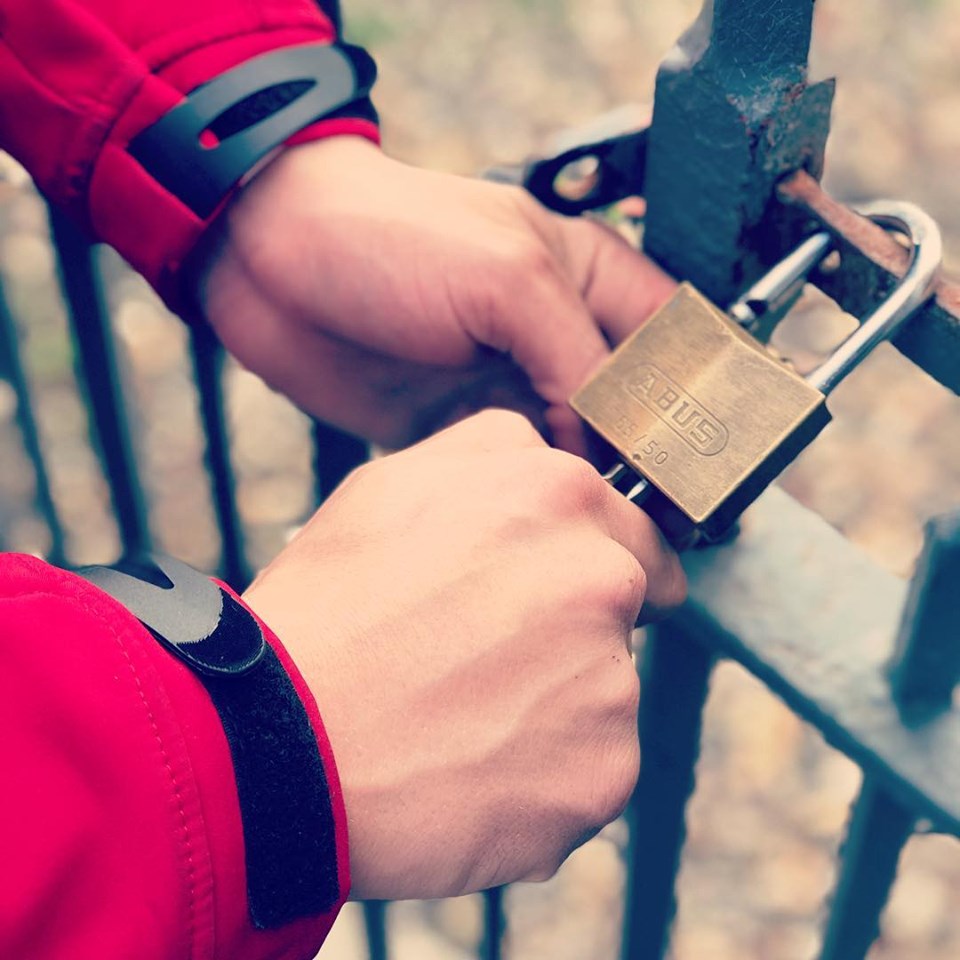
Opening and closing services help businesses manage the daily task of unlocking premises and securing them at night. If that job currently falls to you, a manager or the last emplo...
Commercial Security Services: What Does Your Business Actually Need? Commercial security services can protect businesses in very different ways, from manned guarding and mobile pat...
 24 Hour Control Room
 Safety Approved
 Instant Client Reporting
 Security Guard Tracking
